P
Chamber I
Popular Diagnostic Center Ltd
Chittagong Branch · Bangladesh
Daily
6:00 — 9:00 pm
I treat cancer with the precision of radiotherapy and the patience of palliative medicine — guiding patients and families through one of life's most difficult seasons with clarity, dignity, and warmth.
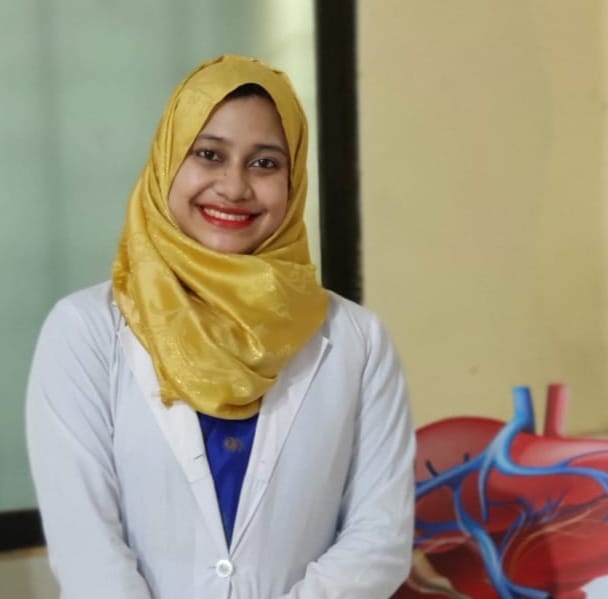
Dr. Fahmida Alam is a Clinical Oncologist and Assistant Professor at Chittagong Medical College Hospital, where she leads radiotherapy planning, cancer counselling, and palliative care for patients across south-eastern Bangladesh.
Her training spans the full continuum of cancer care — from precise radiation delivery to the gentle work of pain control and end-of-life support, refined through a fellowship in Palliative Care at the Institute of Palliative Medicine in Kerala, India.
Beyond the chamber, she is a frequent speaker at national oncology forums and writes regularly to translate complex cancer medicine into language patients and families can use.
A focused oncology practice covering the full arc of cancer care — from diagnosis through treatment, survivorship, and palliation.
Diagnosis review, staging, and treatment planning across solid tumours — breast, head & neck, gynaecological, gastrointestinal, and thoracic cancers.
FCPS-trained radiotherapy planning and delivery — using radiation to control and cure cancer with millimetre precision, while protecting healthy tissue.
Fellowship-trained relief of cancer pain, nausea, breathlessness and emotional distress — for patients at any stage, alongside curative treatment.
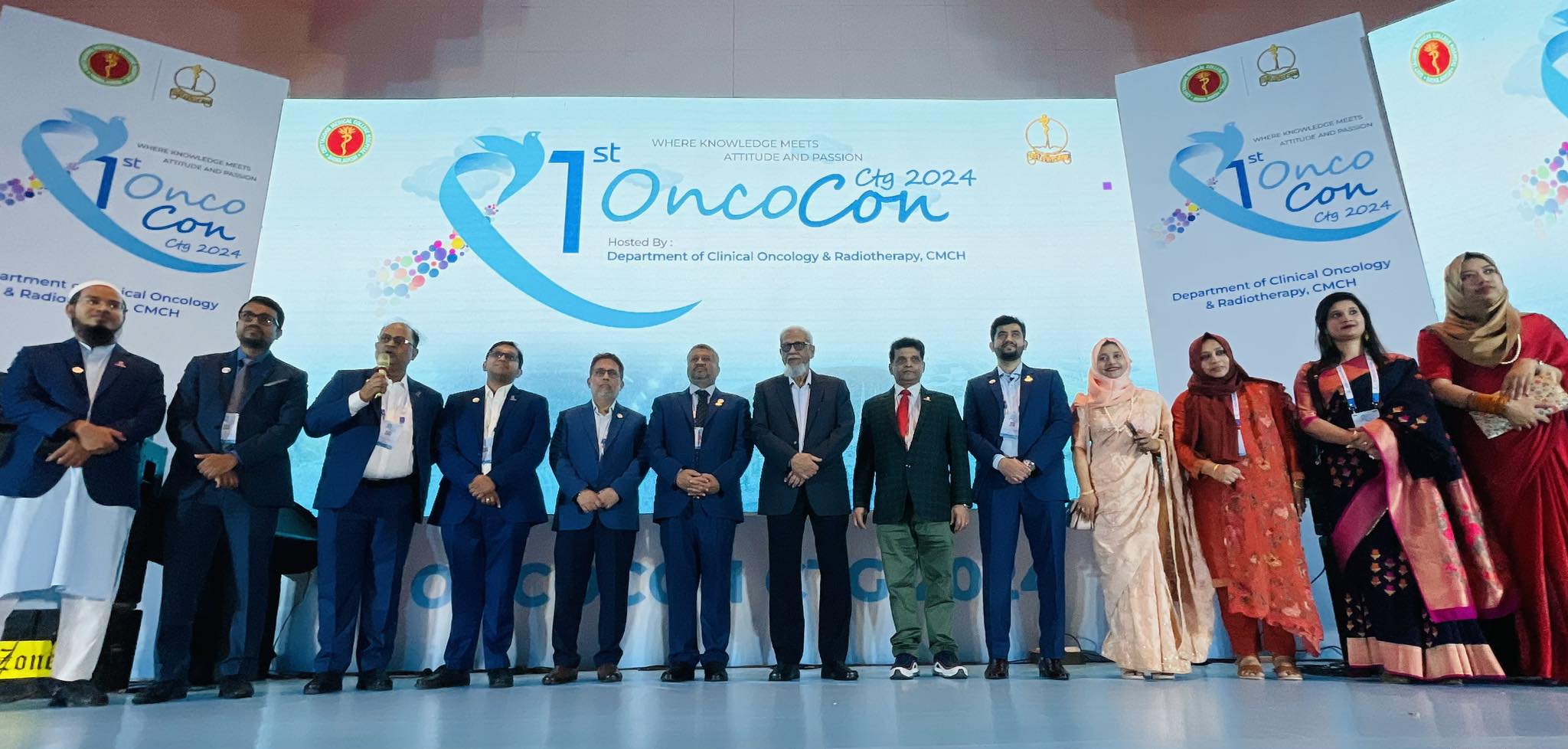
Hosted by the Department of Clinical Oncology & Radiotherapy at CMCH, OncoCon brought together the region's leading cancer specialists for a two-day exchange on modern radiotherapy, systemic therapy, and the future of palliative oncology in Bangladesh.
Two private chambers in Chittagong for evening consultations. Appointments recommended — same-day slots subject to availability.
For new patients, referrals, or second opinions — please call directly. Voice and WhatsApp accepted. English, Bangla & Hindi spoken.
A plain-language walkthrough of simulation, planning, and the first treatment day — so patients arrive informed, not anxious.
Read essay →Five common myths about palliative medicine, gently corrected. Why early palliative involvement often improves survival, not just comfort.
Read essay →Self-examination, when to seek imaging, and what the latest screening guidelines mean for women in their 30s, 40s, and beyond.
Read essay →